Era 8 of 14
1900–1920
The Progressive Era & WWI in brief
The Progressive Era and World War I run 1900 to 1920. Theodore Roosevelt became president in 1901 and went after the trusts. Muckraking journalists forced regulation, including the Pure Food and Drug Act of 1906. The Triangle Shirtwaist fire killed 146 workers on March 25, 1911, and the safety laws that followed came directly out of it. The Panama Canal opened August 15, 1914. The United States entered the war in April 1917 and mobilized 4.7 million people. Women won the vote in 1920.
Reformers rose at the dawn of the twentieth century to tackle the corruption and staggering inequality that the Gilded Age had left in its wake. A new breed of activist (journalists, social workers, politicians, and ordinary citizens) refused to accept that poverty, exploitation, and political machines were the inevitable cost of progress. They demanded that democracy deliver on its promises.
Theodore Roosevelt stormed into the presidency after McKinley's assassination and wielded executive power with unprecedented vigor. He busted trusts, protected millions of acres of wilderness, mediated labor disputes, and launched the construction of the Panama Canal. His successor Woodrow Wilson continued the reform agenda, creating the Federal Reserve, enacting child labor protections, and pursuing his vision of a world made safe for democracy.
Muckraking journalists like Upton Sinclair and Ida Tarbell exposed the rotten underbelly of corporate America, while settlement house founders like Jane Addams built institutions that served immigrant communities and modeled a new kind of civic engagement. The NAACP was founded to combat racial injustice, and women organized with increasing militancy for the right to vote.
Then the Great War shattered the optimism of the age. America reluctantly entered the most devastating conflict in human history in 1917, sending two million soldiers to the trenches of France. The armistice came, but so did a deadly influenza pandemic that killed more Americans than the war itself. Women finally won the vote in 1920, and the world order, shattered and rebuilt at Versailles, would prove tragically fragile.
Key Events
President William McKinley is shot by an anarchist at the Pan-American Exposition, and Theodore Roosevelt becomes the youngest president in American history.
Upton Sinclair's expose of the meatpacking industry sparks public outrage, leading Congress to pass landmark consumer protection legislation.
The National Association for the Advancement of Colored People is established to fight racial discrimination through litigation, education, and advocacy.
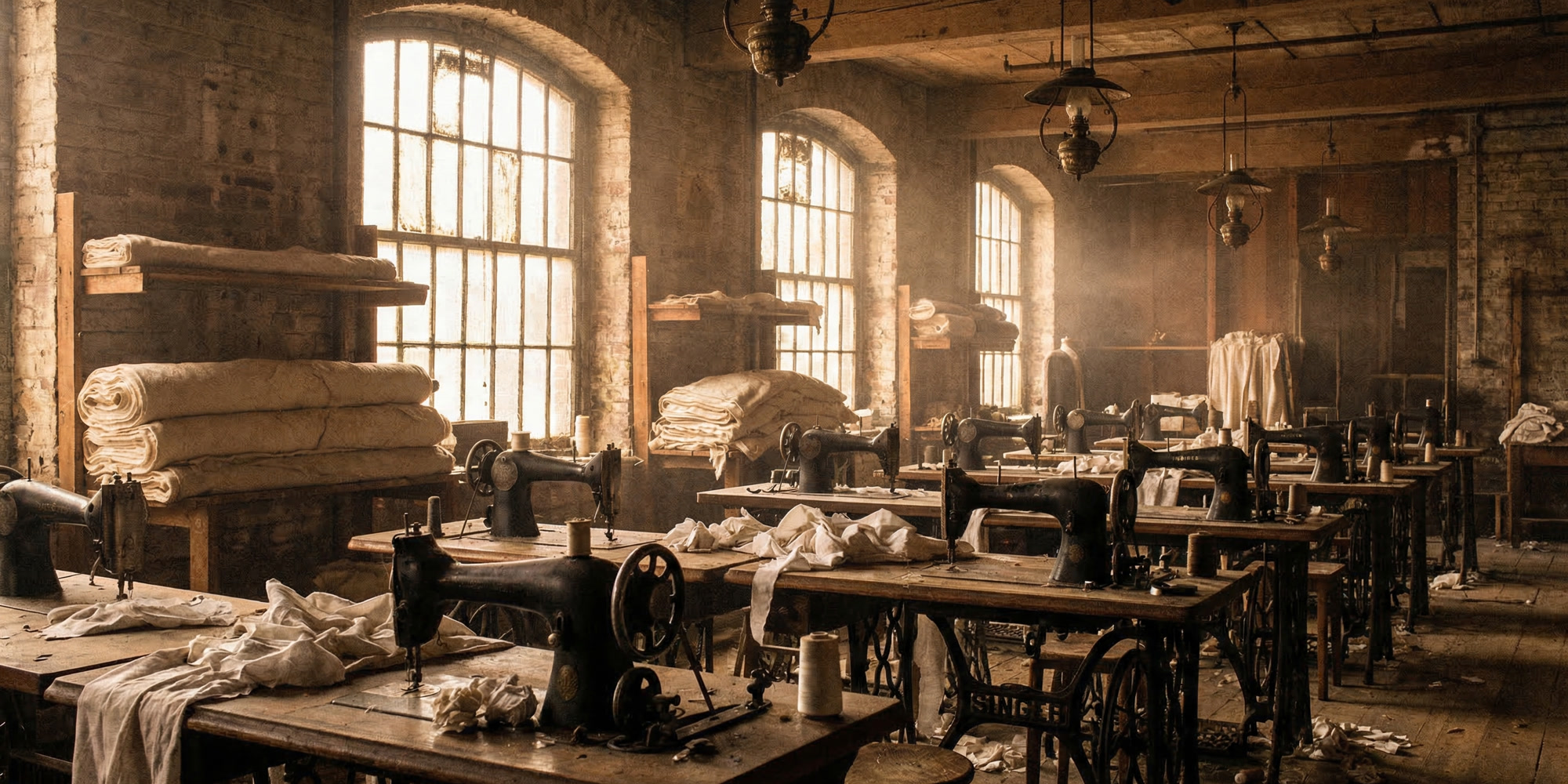
146 garment workers die in a fire at the Triangle Waist Company in New York City, sparking sweeping labor reform legislation and transforming the Progressive Era's approach to workplace safety.
The "unsinkable" RMS Titanic strikes an iceberg on her maiden voyage and sinks in the North Atlantic, killing more than 1,500 passengers and crew.
Congress establishes the Federal Reserve System to stabilize the banking system, while new amendments introduce the income tax and direct election of senators.
The Panama Canal opens to commercial traffic, connecting the Atlantic and Pacific oceans and transforming global shipping and American strategic power.
After years of neutrality, the United States declares war on Germany, sending millions of troops to the Western Front and tipping the balance of the conflict.
The guns of the Great War fall silent on November 11, even as a devastating influenza pandemic sweeps the globe, killing an estimated 675,000 Americans.
The peace treaty ending World War I imposes harsh terms on Germany, while the United States ratifies the constitutional amendment banning the manufacture and sale of alcohol.
The Nineteenth Amendment is ratified, guaranteeing women the right to vote after more than seven decades of organized struggle for suffrage.
Key Figures
26th President of the United States
Trust-busting president who expanded federal power and conservation, establishing national parks and wielding the presidency as a "bully pulpit" for reform.
28th President of the United States
Wartime president who championed the League of Nations, led America through World War I, and pursued an ambitious domestic reform agenda.
Social Reformer & Peace Activist
Social reformer who founded Hull House and the settlement house movement, pioneering new approaches to poverty, immigration, and civic engagement.
Scholar & Civil Rights Activist
Scholar and activist who co-founded the NAACP, challenged Booker T. Washington's accommodationism, and demanded full civil rights for Black Americans.
Commander of the American Expeditionary Forces
Commander of the American Expeditionary Forces in WWI, who insisted on maintaining an independent American army rather than feeding troops into Allied command.
Suffragist Leader
Suffragist leader whose lifetime of activism paved the way for the 19th Amendment, though she died fourteen years before its ratification.
Articles
From disease-ridden failure to engineering triumph, the Panama Canal fused Progressive Era science, state power, and global ambition into one decisive project.
On March 25, 1911, 146 garment workers died in eighteen minutes when fire swept the Triangle Waist Company's locked floors, and from the horror came the laws that made the modern American workplace.