The Civil Rights Movement in brief
The Civil Rights Movement runs 1954 to 1975. Brown v. Board of Education was decided in 1954. Rosa Parks was arrested December 1, 1955, and the Montgomery Bus Boycott ran 381 days, ending December 20, 1956. Roughly 250,000 people came to the March on Washington in August 1963. The Civil Rights Act passed in 1964, the Voting Rights Act in 1965. Martin Luther King Jr. was assassinated April 4, 1968. The work did not stop there.
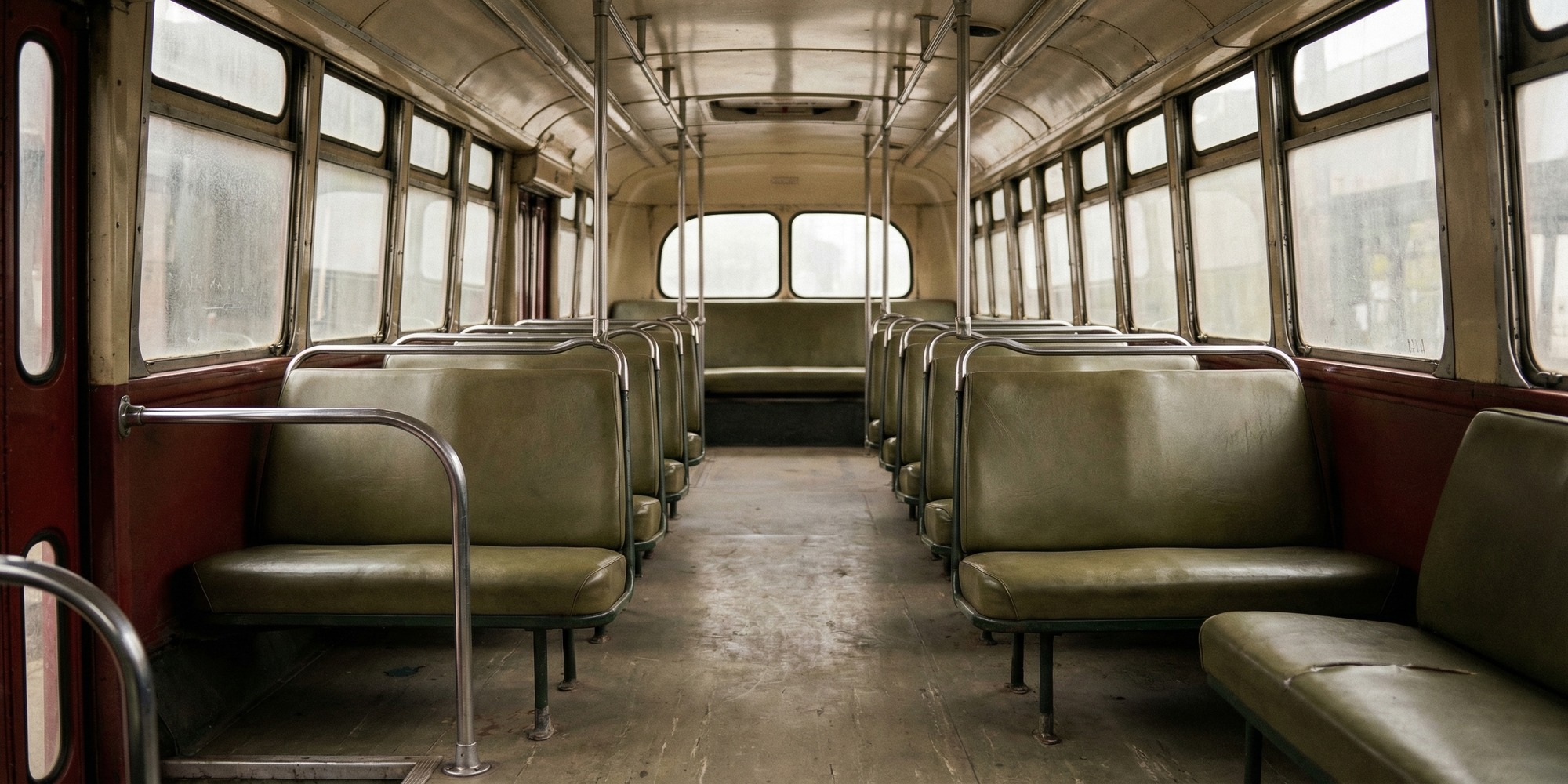
The long struggle for racial equality reaches its crescendo. In Montgomery, a seamstress refuses to give up her seat on a city bus, and a movement is born. In Birmingham, fire hoses and police dogs are turned on children marching for their dignity. In Washington, a quarter million people gather at the Lincoln Memorial and hear a dream articulated with a moral clarity that shakes the conscience of a nation.
Nonviolent resistance (sit-ins, Freedom Rides, voter registration drives) confronts the machinery of Jim Crow and forces the nation to reckon with its founding promise that all men are created equal. Young people put their bodies on the line at lunch counters in Greensboro, on buses through the Deep South, and on the bridge at Selma. They are beaten, jailed, and sometimes killed, but they do not turn back.
Landmark legislation follows. The Civil Rights Act of 1964 outlaws discrimination in public accommodations and employment. The Voting Rights Act of 1965 strikes down the barriers (literacy tests, poll taxes, grandfather clauses) that have kept Black Americans from the ballot box for generations. The Fair Housing Act of 1968 takes aim at residential segregation. The legal architecture of Jim Crow crumbles.
But the work remains unfinished. The assassination of Martin Luther King Jr. in 1968 robs the movement of its most transcendent voice and sparks riots in cities across the country. New voices emerge (Malcolm X, the Black Panthers, Stokely Carmichael) articulating visions of Black power and self-determination that challenge the nonviolent consensus. The struggle for equality evolves, but its core demand endures: justice, now.
Key Events
The Supreme Court unanimously rules that "separate but equal" has no place in public education, overturning Plessy v. Ferguson and setting the legal foundation for desegregation. The decision is a watershed, but implementation will be fought every step of the way.
Rosa Parks refuses to give up her bus seat in Montgomery, Alabama, sparking a 381-day boycott that launches Martin Luther King Jr. to national prominence. The brutal murder of fourteen-year-old Emmett Till in Mississippi, and his mother's insistence on an open casket, galvanizes the nation.
Nine Black students attempt to attend the all-white Central High School in Little Rock, Arkansas. When Governor Faubus deploys the National Guard to block them, President Eisenhower sends federal troops to escort the students inside, a dramatic confrontation between state defiance and federal authority.
Four Black college students sit down at a whites-only Woolworth's lunch counter in Greensboro, North Carolina, and refuse to leave. The sit-in movement spreads rapidly across the South, as young people use nonviolent direct action to challenge segregation in public accommodations.
Interracial groups of activists board buses bound for the Deep South to test Supreme Court rulings banning segregation in interstate travel. They are met with savage violence (buses firebombed, riders beaten) but their courage forces the federal government to enforce desegregation.
Over 250,000 people gather at the Lincoln Memorial for the March on Washington, where King delivers his iconic "I Have a Dream" speech. The year is also marked by tragedy: NAACP leader Medgar Evers is murdered in Mississippi, and a bomb at the 16th Street Baptist Church in Birmingham kills four young girls.
President Johnson signs the Civil Rights Act, the most sweeping civil rights legislation since Reconstruction, outlawing discrimination in public accommodations and employment. During Freedom Summer, hundreds of volunteers descend on Mississippi to register Black voters, three of them are murdered by the Ku Klux Klan.
On "Bloody Sunday," state troopers attack peaceful marchers on the Edmund Pettus Bridge in Selma, Alabama. The televised brutality shocks the nation and builds irresistible momentum for the Voting Rights Act, which Johnson signs into law. Malcolm X is assassinated in New York in February.
Huey Newton and Bobby Seale found the Black Panther Party for Self-Defense in Oakland, California. The Panthers advocate armed self-defense, community empowerment, and revolutionary politics, challenging the nonviolent approach and demanding immediate change.
On April 4, Martin Luther King Jr. is shot and killed on the balcony of the Lorraine Motel in Memphis, Tennessee. His assassination triggers riots in over 100 cities. In the aftermath, Congress passes the Fair Housing Act, prohibiting discrimination in the sale and rental of housing.
Key Figures
Minister and nonviolent leader whose moral vision transformed America. From the Montgomery Bus Boycott to the March on Washington, King articulated a dream of racial equality that challenged the nation to live up to its founding ideals.
Seamstress whose refusal to surrender her bus seat ignited the Montgomery boycott. Far from a spontaneous act, Parks was a trained activist whose courage became the catalyst for a movement that changed America forever.
NAACP lawyer who argued Brown v. Board of Education before the Supreme Court and became the first Black Supreme Court Justice. Marshall's legal brilliance dismantled the constitutional foundations of segregation.
Minister and activist who articulated Black nationalism and self-defense. His powerful rhetoric and uncompromising stance challenged both white America and the nonviolent mainstream of the civil rights movement.
Freedom Rider and SNCC leader who was beaten on Bloody Sunday in Selma. Lewis dedicated his life to the struggle for justice, from the lunch counter sit-ins to decades of service in the United States Congress.
Sharecropper who became a fearless voice for voting rights in Mississippi. Hamer's testimony before the 1964 Democratic National Convention exposed the brutal reality of voter suppression in the Deep South and moved a nation.
Articles