Twenty-First Century America in brief
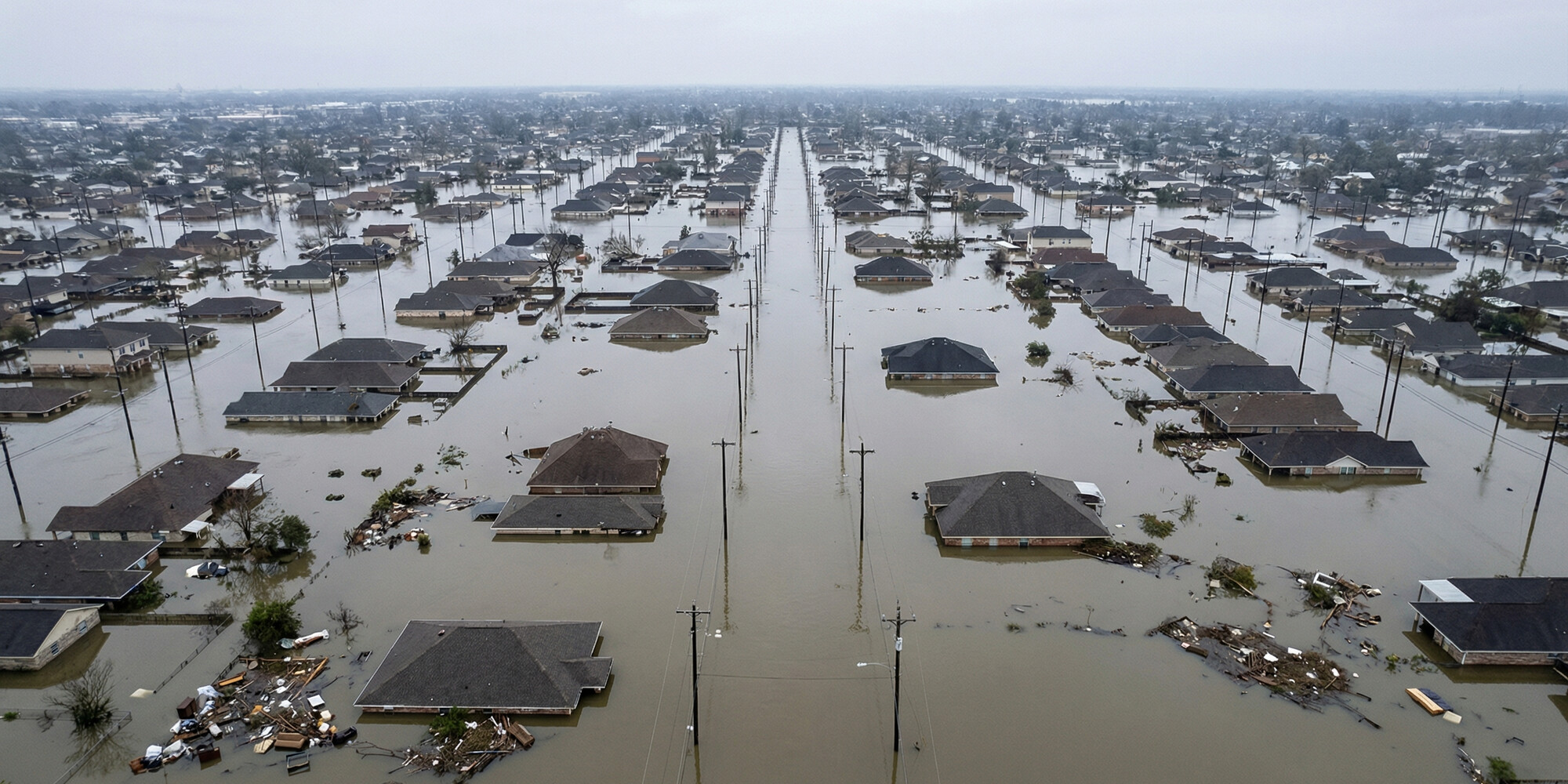
Twenty-first century America starts in 2001. The September 11 attacks killed nearly 3,000 people and set off the War on Terror. The Iraq War began in 2003. Katrina's levees failed on August 29, 2005, flooding 80 percent of New Orleans and killing more than 1,800 people. The financial crisis hit in 2008. Obama took office in 2009. COVID-19 arrived in 2020, into a country already pulling apart along political lines.
September 11, 2001 changed everything. Two towers fell in lower Manhattan, a wing of the Pentagon burned, and a hijacked plane crashed into a Pennsylvania field. In the smoke and grief that followed, America embarked on its longest wars (first in Afghanistan, then in Iraq) conflicts that would consume trillions of dollars, claim hundreds of thousands of lives, and reshape the nation's relationship with military power. The security state expanded dramatically, and debates over surveillance, torture, and civil liberties tested the boundaries of American democracy.
The Great Recession of 2008 nearly collapsed the global financial system and exposed deep economic inequality that had been building for decades. Housing markets imploded, banks teetered on the edge of oblivion, and millions of Americans lost their homes, their savings, and their faith in the institutions that were supposed to protect them. That same year, the election of Barack Obama as the first Black president marked a historic milestone, a moment that seemed to fulfill the promise of the civil rights movement even as it revealed how far the nation still had to travel.
Social media rewired how Americans communicate, organize, and argue. Facebook, Twitter, and their successors created new public squares where movements could ignite overnight and misinformation could spread with viral speed. The Arab Spring, Black Lives Matter, the Me Too movement, each demonstrated the power and peril of networked activism. Meanwhile, smartphones placed the entire sum of human knowledge in every pocket, transforming daily life in ways both mundane and profound.
A pandemic shut down the country in 2020, killing more than a million Americans and exposing fault lines of race, class, and trust in science. Political polarization deepened to levels unseen since the Civil War, culminating in a contested election and a breach of the Capitol itself. The American experiment continues into its third century, its democratic institutions tested as never before, its outcome genuinely uncertain. The story is not over.
Key Events
Nineteen hijackers crash four commercial airliners, killing nearly three thousand people in the deadliest terrorist attack on American soil. The United States invades Afghanistan in response, beginning its longest war.
The United States invades Iraq based on claims of weapons of mass destruction, toppling Saddam Hussein's regime but igniting a prolonged insurgency and sectarian conflict.
A catastrophic hurricane strikes the Gulf Coast, breaching the levees of New Orleans. The federal government's slow response exposes failures of infrastructure, planning, and racial inequality.
The collapse of the housing market triggers the worst financial crisis since the Great Depression, while Barack Obama wins the presidency, becoming the first Black American to hold the office.
President Obama signs the most sweeping healthcare reform in half a century, extending insurance coverage to millions of uninsured Americans and reshaping the nation's healthcare system.
U.S. Navy SEALs kill al-Qaeda leader Osama bin Laden in a raid on his compound in Abbottabad, Pakistan, nearly a decade after the September 11 attacks he orchestrated.
The Supreme Court rules that same-sex couples have a constitutional right to marry, extending marriage equality to all fifty states in a landmark civil rights decision.
Businessman and television personality Donald Trump wins the presidency in an upset victory, channeling populist anger and reshaping the Republican Party in his image.
A global pandemic shuts down the American economy and kills hundreds of thousands, while the murder of George Floyd by a Minneapolis police officer sparks the largest racial justice protests in American history.
Supporters of President Trump storm the U.S. Capitol in an attempt to overturn the 2020 election results, while the chaotic withdrawal from Afghanistan ends America's longest war after twenty years.
Key Figures
43rd President of the United States
President who launched the War on Terror after September 11, invading Afghanistan and Iraq and expanding executive authority in the name of national security.
44th President of the United States
First Black president who navigated the Great Recession, expanded healthcare through the Affordable Care Act, and ordered the raid that killed Osama bin Laden.
45th President of the United States
President whose populist movement reshaped the Republican Party, challenged political norms, and deepened the partisan divisions that define contemporary American politics.
46th President of the United States
President who managed the pandemic response, oversaw the withdrawal from Afghanistan, and signed major infrastructure and climate legislation amid historic polarization.
Supreme Court Justice
Supreme Court Justice whose decades-long legal career advanced gender equality, becoming a cultural icon for her fierce dissents and unwavering commitment to equal protection under the law.
Inventor of the World Wide Web
Inventor of the World Wide Web, whose creation transformed twenty-first-century life by connecting billions of people and reshaping commerce, communication, and culture worldwide.