Era 7 of 14
1877–1900
The Gilded Age & Industrialization in brief
The Gilded Age runs 1877 to 1900. Andrew Carnegie built steel, John D. Rockefeller built oil, and both built fortunes nobody had a category for yet. The Brooklyn Bridge opened May 24, 1883. Ellis Island opened in 1892 and eventually processed 12 million immigrants. That same year, the Homestead Strike produced a 13-hour gun battle on July 6 that left 16 people dead. The Pullman Strike followed in 1894. Plessy v. Ferguson made segregation legal in 1896.
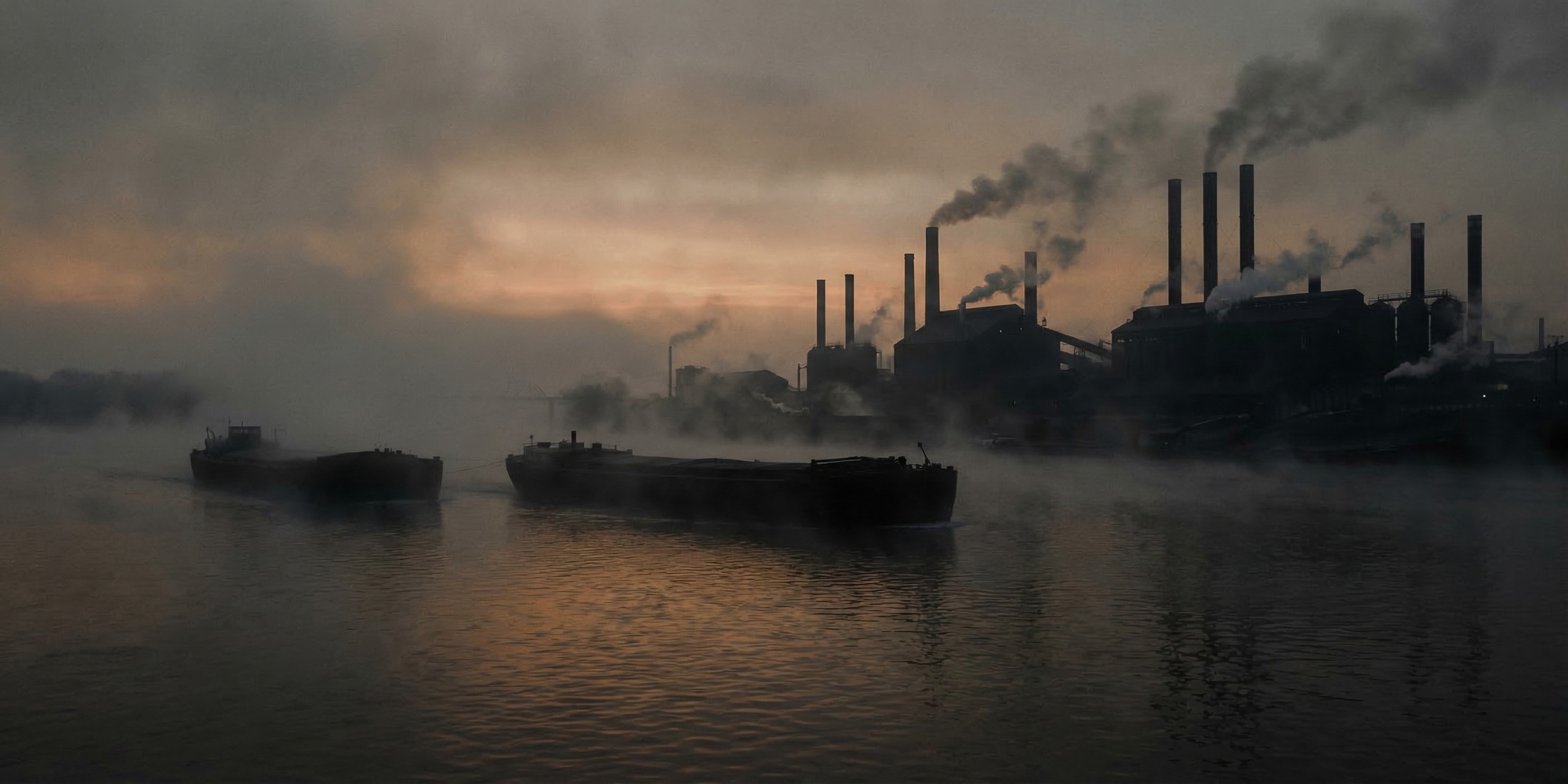
Railroad barons and industrial titans transformed America in the closing decades of the nineteenth century, forging a continental economy bound together by steel rails and telegraph wires. Men like Andrew Carnegie, John D. Rockefeller, and J.P. Morgan amassed fortunes that dwarfed the treasuries of nations, building corporate empires that reshaped the American landscape and the very meaning of wealth and power.
Massive immigration from Southern and Eastern Europe reshaped the cities of the Eastern Seaboard and the industrial Midwest. Millions poured through the processing halls of Ellis Island, carrying little more than hope and the willingness to labor in the mines, mills, and sweatshops that fueled the nation's staggering growth. Tenement districts swelled, and with them arose new cultures, new languages, and new tensions.
Labor battles erupted across the industrial landscape with a ferocity that shocked the comfortable classes. The Great Railroad Strike of 1877, the Haymarket affair, the Homestead Strike, the Pullman boycott, each collision between workers and capital left blood on the cobblestones and deepened the chasm between those who owned the machines and those who fed them. Meanwhile, on the western plains, Native resistance met its tragic end at Wounded Knee.
The Spanish-American War of 1898 signaled America's emergence as a global power, claiming territories from the Caribbean to the Pacific. Yet beneath the gilded surface that gave the era its name, a term coined by Mark Twain to mock the thin veneer of prosperity, inequality and corruption festered, setting the stage for the reform movements that would follow.
Key Events
The first major nationwide labor action in American history erupts across rail lines, paralyzing commerce and prompting federal intervention.
Congress passes the first federal law barring immigration based on nationality, prohibiting Chinese laborers from entering the United States.
The world's longest suspension bridge opens on May 24, 1883, after fourteen years of construction, a triumph of engineering and human perseverance over tragedy and corruption.
A labor rally in Chicago turns deadly when a bomb explodes, while in New York Harbor the Statue of Liberty is unveiled as a beacon of freedom.
Tens of thousands of settlers race to claim nearly two million acres of former Indian Territory opened by the federal government.
U.S. soldiers kill hundreds of Lakota men, women, and children at Wounded Knee Creek, while Congress passes the first federal antitrust legislation.
America's most famous immigration station begins processing arrivals, while a bitter strike at Carnegie's Homestead steel mill ends in violence.
Chicago hosts a dazzling world's fair celebrating the 400th anniversary of Columbus's voyage, showcasing American technological and cultural ambition.
The Supreme Court upholds racial segregation under the "separate but equal" doctrine, legalizing Jim Crow laws for nearly six decades.
The United States defeats Spain in a brief but consequential conflict, acquiring Puerto Rico, Guam, and the Philippines and emerging as an imperial power.
Congress formally establishes gold as the sole basis for redeeming paper currency, ending decades of contentious monetary debate.
Key Figures
Steel Magnate & Philanthropist
Steel magnate who preached the "Gospel of Wealth" and donated his vast fortune to libraries, universities, and public institutions across the nation.
Oil Industrialist
Oil monopolist who built Standard Oil into the world's largest company, pioneering the corporate trust and dominating an entire industry.
Financier & Banker
Financier so powerful he bailed out the U.S. Treasury, reorganized bankrupt railroads, and shaped the modern American financial system.
Inventor & Entrepreneur
Inventor whose laboratories electrified America, producing the phonograph, the motion picture camera, and a practical incandescent light bulb.
Lakota Leader
Lakota leader who symbolized Native resistance to American expansion, from the victory at Little Bighorn to his tragic death during the Ghost Dance movement.
Journalist & Civil Rights Activist
Journalist who led the crusade against lynching, using investigative reporting to expose racial violence and challenge the conscience of a nation.
Articles
The Brooklyn Bridge's story is one of tragedy and triumph: a founder killed before construction began, his son paralyzed underground, and one remarkable woman who taught herself engineering to finish it.
In July 1892, Carnegie's steelworkers and 300 Pinkerton agents fought a 13-hour battle on the Monongahela River, and the outcome defined Gilded Age labor relations for a generation.